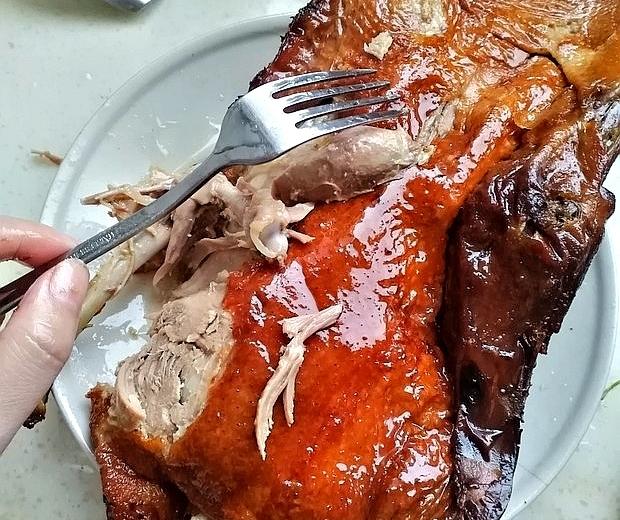
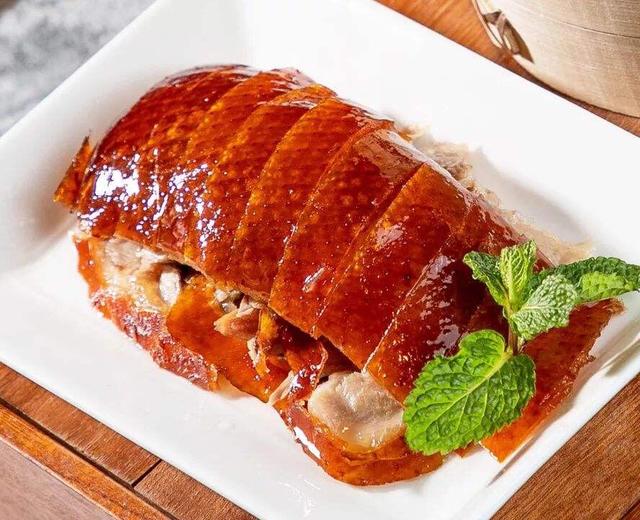
Peking duck is one of the most famous Chinese dishes in the world, known for its beautifully crisp, amber-colored skin and tender, juicy meat. With its rich flavor and sense of presentation, it has become a true symbol of Chinese cuisine.
This recipe is specially designed for beginners in Western kitchens. You don’t need a traditional hanging oven or any specialized equipment—just a standard home oven will do. Every step is clearly broken down, from preparation to roasting, making it easy to follow even if it’s your first time.
All ingredients can be found in most Western supermarkets, and this guide also includes simple instructions for making pancakes and sauce, so you can recreate a full Peking duck experience at home with confidence.
What Is Peking Duck?
Peking duck is one of the most iconic dishes in Beijing cuisine, with a history that dates back hundreds of years. It’s known for four key qualities: crispy skin, tender meat, rich flavor, and a balanced, non-greasy finish.
Traditionally, the dish is made using specially raised ducks (in Western countries, Pekin duck is the closest equivalent). The preparation involves several important steps, including air inflation, scalding, glazing, air-drying, and roasting.
The result is a duck with a deep reddish-brown color, glossy skin, and a perfect contrast between crispy exterior and juicy interior. Each bite delivers a satisfying crunch followed by soft, flavorful meat with a subtle roasted aroma.
Nutritional Value of Duck
Duck meat is not only delicious but also highly nutritious.
Per 100 grams, it typically contains:
- Protein: 19.2 g
- Fat: 41 g
It is also rich in:
- B vitamins (such as B1 and B2)
- Minerals like calcium, phosphorus, iron, copper, manganese, and zinc
- 18 essential amino acids
Duck is considered a nourishing ingredient in Chinese cooking. It’s often enjoyed in cooler seasons for its warming and restorative qualities, while also helping maintain balance and hydration in the body.
More Than Just a Dish
Eating Peking duck is more than just a meal—it’s an experience.
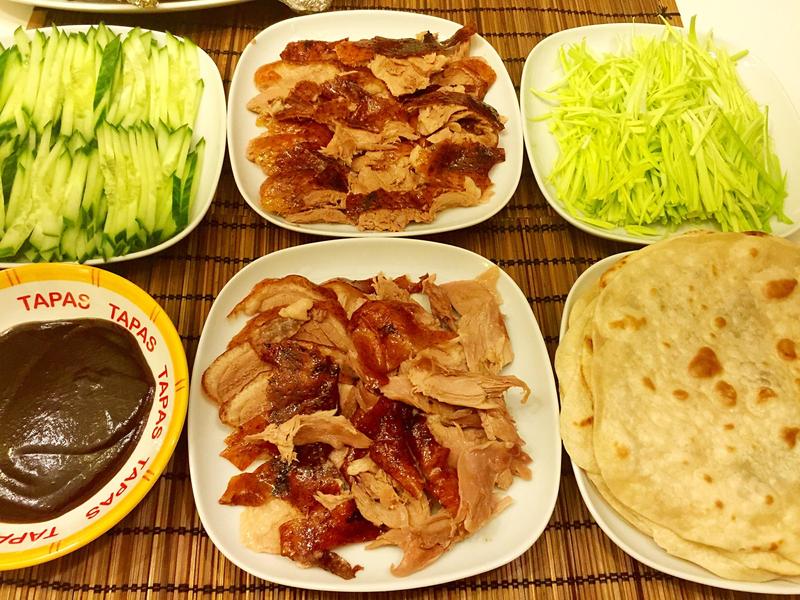
From the precise slicing technique to the way it’s wrapped in pancakes with sauce and fresh vegetables, every step reflects the attention to detail found in Chinese culinary culture.
This sense of tradition and ritual is part of what makes Peking duck so special—and why it continues to be loved by food enthusiasts around the world.
Easy Peking Duck Recipe
Course: POPULAR4
servings30
minutes50
minutes520
kcalIngredients
Whole duck: 1 (Pekin duck or whole duck, about 2–2.5 kg)
Maltose: 80 g (or substitute with sugar, melted slowly until syrupy)
Water: 500 ml
White vinegar: 10 g (helps achieve crispy duck skin)
Honey: 1 tbsp
Brown sugar: 5 g
Cooking wine: 2 tbsp (or dry white wine / apple cider)
Sichuan peppercorns: a small handful
Cinnamon stick: 1 piece
Green onion: 1
Cucumber: 1
Thin pancakes & sweet bean sauce: as needed
Directions
- Make the Sugar Glaze (Foundation for Color & Crispy Skin)
In a small pot, add 500 ml of water and heat over low heat. Do not let it boil.
Add 80 g of maltose, stirring continuously with a spatula until fully dissolved and smooth. Keep the heat low to prevent burning.
Turn off the heat, transfer the syrup to a bowl, and let it cool to room temperature.
👉 Beginner tip: Never use hot glaze on the duck—it can damage the skin.
✅ Simple Substitute (No Maltose)
Mix 80 g sugar + 20 ml water, cook over low heat while stirring until dissolved and slightly thick with small bubbles (about 3–5 minutes).
Then add the remaining 480 ml water, mix well, and let cool.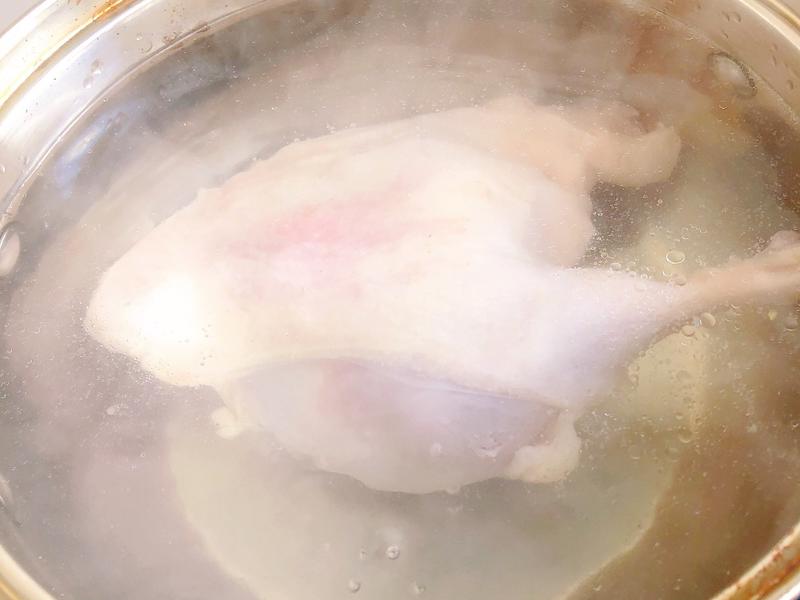
- Prepare the Duck (Inflating & Scalding for Crispy Skin)
Clean the duck: Rinse the whole duck inside and out, then dry thoroughly with paper towels.
👉 This step is important—any moisture will affect crispiness.
Inflate the duck (key step):
Insert a straw or small tube into the neck cavity and gently blow air between the skin and meat.
Lightly pat the duck while inflating until the skin separates and the duck slightly expands.
👉 This creates the signature crispy roast duck skin.
Scald the skin:
Bring a pot of water to a full boil. Hold the duck and pour the boiling water evenly over the skin, repeating 3–4 times.
👉 This tightens the skin and prepares it for roasting.
Apply glaze & air dry:
Hang the duck using a hook or string in a well-ventilated area. Let it dry for about 10 minutes first.
Then brush or pour the cooled sugar glaze evenly over the entire duck.
Hang the duck to air dry for 8–12 hours (overnight is ideal).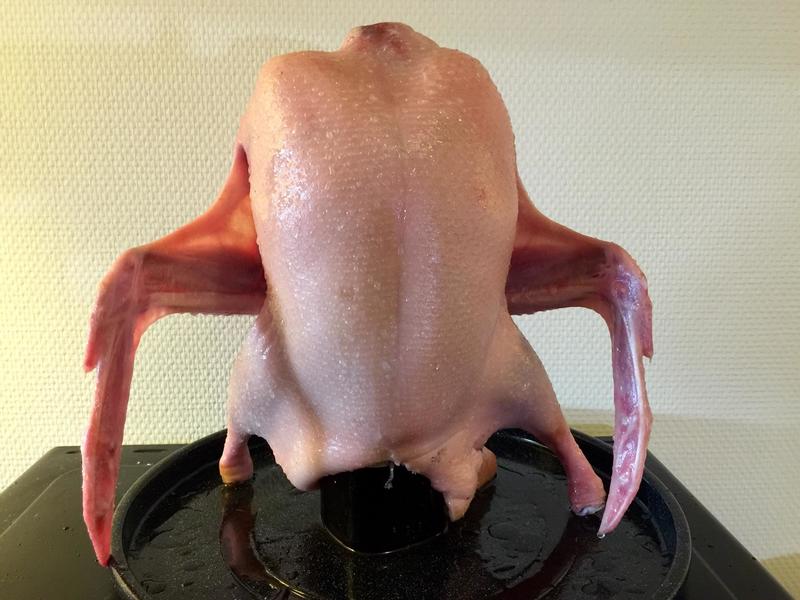
- Prepare Spice Liquid & Second Glaze
Make spice liquid:
In a small pot, combine 200 ml water, Sichuan peppercorns, and cinnamon. Simmer for 5 minutes, then cool completely.
Fill the duck:
Pour the cooled liquid into the cavity (about 70% full). Seal with a skewer or kitchen string.
Make second glaze:
Mix 100 ml glaze + 1 tbsp honey + 5 g brown sugar + 10 g white vinegar.
Brush the duck again:
Coat the entire duck evenly, including folds and joints. Let it rest for 10 minutes.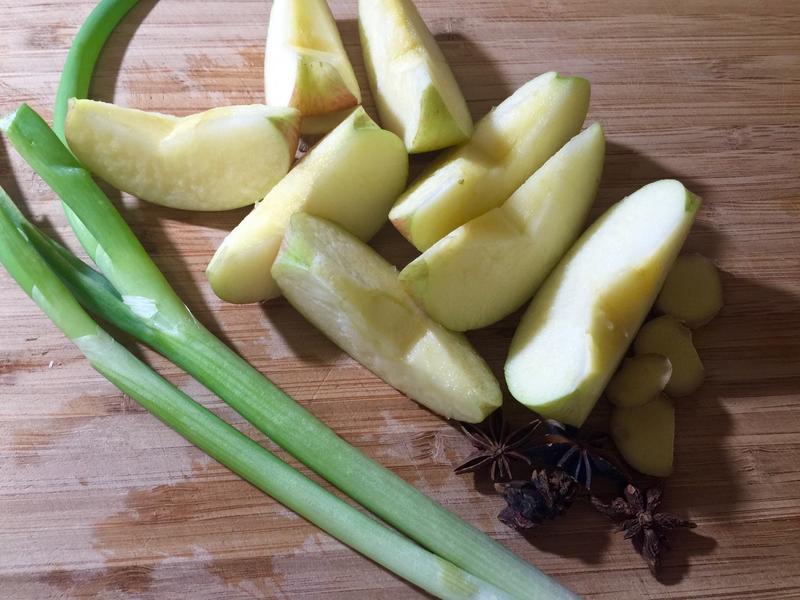
- Roast the Duck (Most Critical Step)
Preheat the oven
Preheat to 220°C (425°F) for at least 5 minutes.
👉 Proper preheating is essential for crispy skin.
Position the duck
Place the duck breast-side up on a rack.
Put a tray underneath to catch dripping fat.
Stage 1: Initial roasting (20 minutes)
Roast at 220°C for 10 minutes.
Rotate the rack and roast another 10 minutes.
👉 If browning too fast, reduce heat slightly.
Stage 2: Even coloring (10 minutes)
Flip the duck carefully.
Brush more glaze on pale areas and roast for another 10 minutes.
Stage 3: Final cooking (10–15 minutes)
Total cooking time: about 40–50 minutes.
Check doneness by inserting a toothpick into the thickest part—juices should run clear.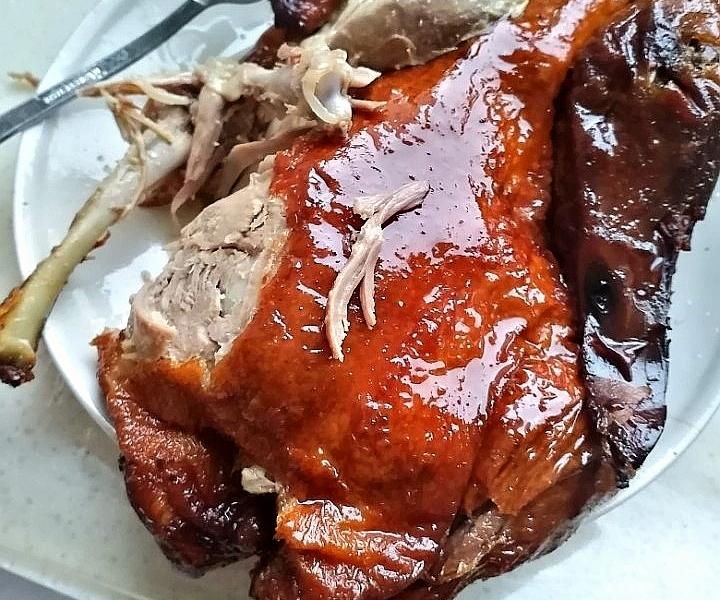
- Rest, Slice & Serve
Brush oil
Once out of the oven, brush lightly with sesame oil or olive oil.
Rest for 3–5 minutes
This helps the skin set and stay crispy.
Slice the duck
Cut thin slices (about 0.5 cm), always with skin attached.
👉 The skin is the best part—crispy and flavorful.
Use the duck bones
Simmer the leftover bones with cabbage or winter melon for a simple, delicious soup.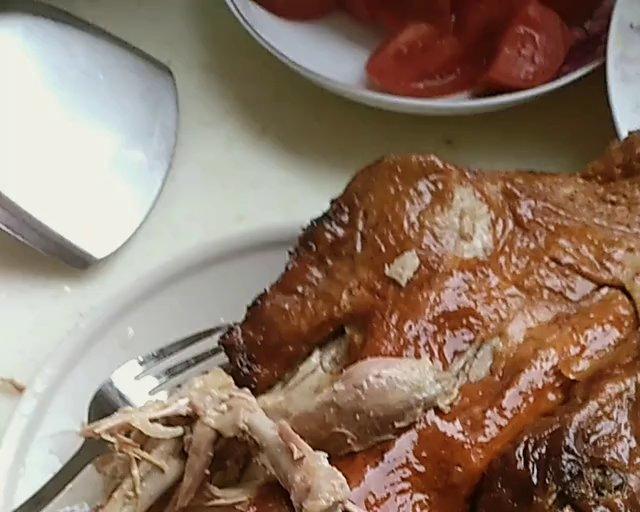
- Make Thin Pancakes (Easy Version)
Mix 200 g flour + a pinch of salt
Add 110 ml warm water, knead into a smooth dough
Rest for 20 minutes
Divide into small pieces and roll thin
Cook on low heat for about 1 minute per side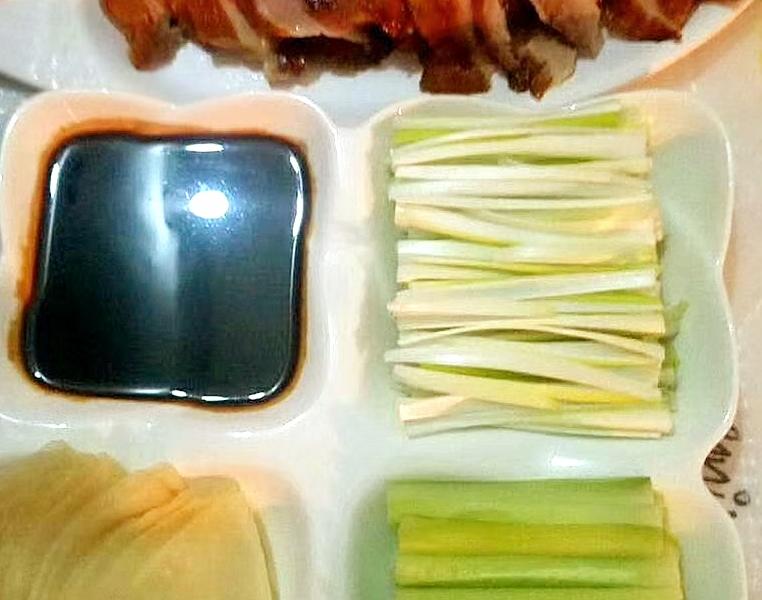
- Make Sweet Bean Sauce
Combine:
100 g soybean paste
15 g sugar
30 ml water
1 tbsp cooking wine
Cook over low heat for 3–5 minutes until thick.
✅ Western Substitute
Mix ketchup + soy sauce + sugar + water, simmer briefly for a milder, sweeter flavor.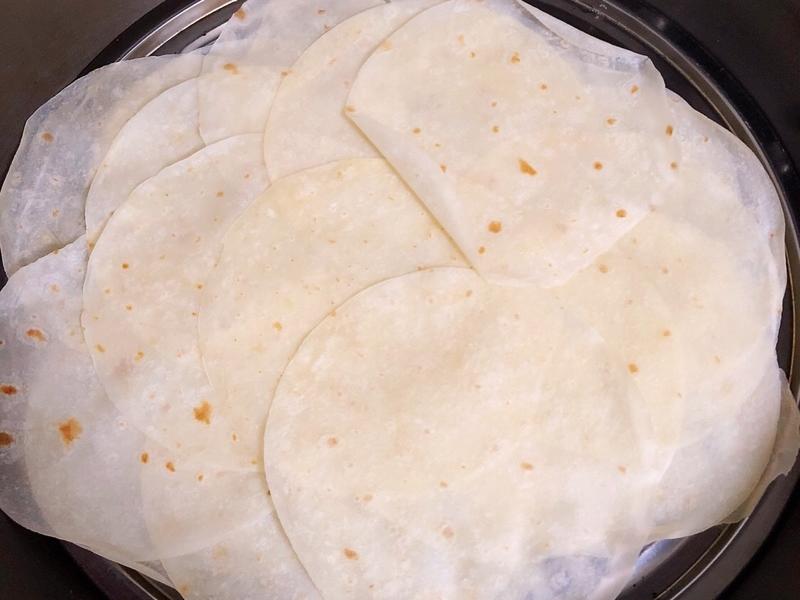
- How to Eat Peking Duck
Take a pancake
Spread a small amount of sauce
Add duck slices, scallions, and cucumber
Roll and enjoy
👉 The balance of crispy skin, tender meat, and fresh vegetables is what makes this dish special.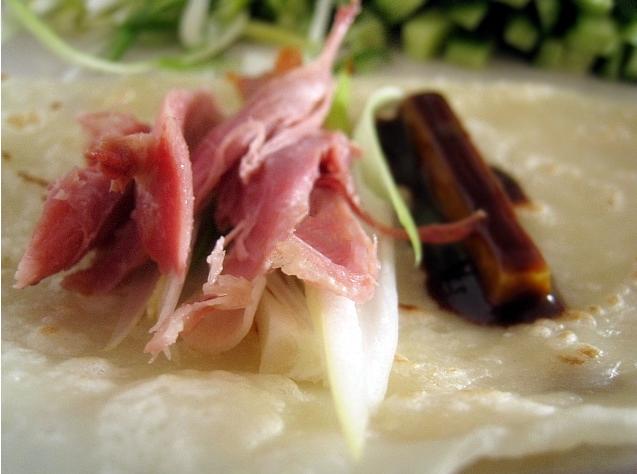
Notes
- 1. Air-drying the duck is the most important step
Make sure the skin is completely dry and no longer sticky before roasting.
If the skin isn’t dry enough, your roast duck skin won’t turn crispy—this is the most common mistake beginners make.
2. Use high heat for roasting
Roast at around 220°C (425°F) to achieve that signature crispy skin.
If the temperature is too low, the duck will release too much fat and the skin will turn soft instead of crisp.
Just keep an eye on the color and adjust as needed.
3. Always cool liquids before using
Sugar glaze, spice liquid, and any brushing sauce must be cooled to room temperature.
Hot liquid can damage the duck skin, causing it to tear or lose texture.
4. Check doneness the right way
Don’t rely only on time.
Insert a toothpick into the thickest part of the duck leg—if the juices run clear (not pink), the duck is fully cooked.
5. Be flexible with ingredients
You don’t need every traditional Chinese ingredient.
You can easily substitute cooking wine, spices, or maltose with common Western ingredients—the result will still be delicious.
6. Make it family-friendly
The tender breast meat is perfect for kids and older adults.
You can make oil-free pancakes and reduce sugar in the sauce for a lighter, healthier version. - Calories: 520 kcal. Protein: 28 g. Fat: 42 g. Carbohydrates: 15 g. Fiber: 2 g. Sodium: 680 mg
⚠️ Note: Nutrition values are estimates and may vary depending on ingredient portions, cooking methods, and seasoning adjustments.
FAQs About Peking Duck
1. How long does it take to make Peking duck at home?
Making Peking duck at home usually takes about 1–2 hours of roasting time, plus 8–12 hours for air drying. The drying step is important for achieving crispy skin, so it’s best to plan ahead.
2. Can I make Peking duck without a traditional oven?
Yes. You don’t need a special oven. A regular home oven works well for an easy Peking duck recipe, as long as you use high heat and proper airflow to crisp the skin.
3. Why is my duck skin not crispy?
The most common reason is that the duck wasn’t dried enough. For crispy Peking duck skin, the surface must be completely dry before roasting, and the oven temperature needs to be high enough.
4. What is the best duck to use for Peking duck?
The best choice is a Pekin duck, which is widely available in Western supermarkets. It has the right balance of fat and meat, making it ideal for roast duck recipes.
5. Can I prepare Peking duck in advance?
Yes. You can prepare and dry the duck a day ahead, then roast it when ready to serve. Leftovers can be stored in the fridge for up to 2–3 days and reheated in the oven to restore crispiness.