
Steamed Pork Ribs with Black Bean Sauce is one of the most popular dishes in Cantonese Dim Sum. It is a simple, healthy, and delicious meal made with small pork rib tips, savory fermented black beans, and lots of garlic. Because it is steamed, the ribs are very tender, juicy, and full of flavor without being oily. It is a favorite for both kids and adults.
The Story Behind the Dish
Steaming is a very old cooking way in Southern China. A long time ago, people used fermented black beans to keep food fresh and add a deep, salty taste. This slowly became the famous black bean sauce we love today. When tea houses became popular in Guangzhou, chefs made this home-style dish more refined. Now, you can find these ribs in Chinese restaurants all over the world.
This dish is famous because it tastes great to everyone. It is not spicy or too strong, but just perfectly savory. The steaming method keeps the meat soft and easy to eat. It is also a very healthy choice since it uses very little oil and no frying. Whether you are having morning tea, a quick lunch, or a cozy dinner with rice, these ribs always fit the mood.
Why This Dish Matters to Me
I have been eating these pork ribs since I was a child. To me, they taste like home. You don’t need fancy spices to make them delicious—the simple mix of garlic and black beans is enough. I remember ordering them every time we went for Dim Sum as a kid. Even now, when I cook them for myself, the warm steam and the smell of the sauce make me feel relaxed. It is not just a recipe; it is a warm memory of family and simple happiness.
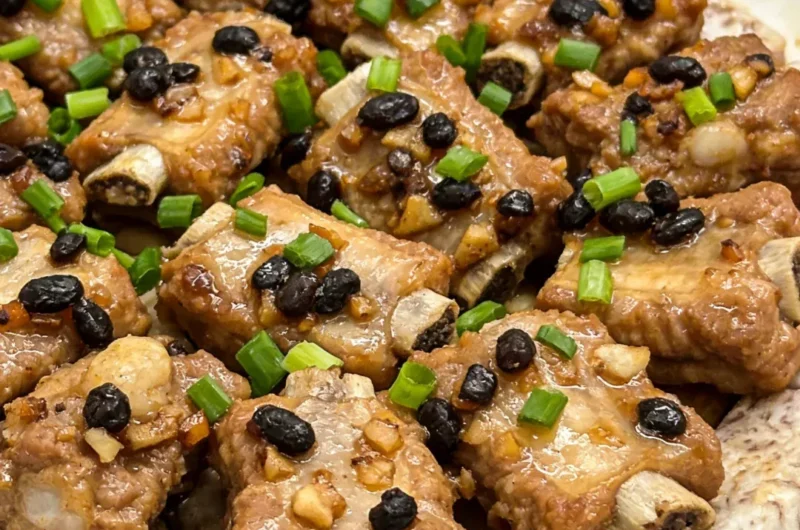
Better Than Takeout: Easy Steamed Pork Ribs with Black Bean Sauce
1
servings10
minutes20
minutes650
kcal(Minimal Prep | One-Plate Meal | Authentic Cantonese Style)
If you’ve ever had “Dim Sum” and wondered how the pork ribs get so incredibly tender and flavorful, this is the recipe for you. Using simple ingredients found in your local grocery store, you can make this healthy, high-protein meal in under 30 minutes of active time. It’s a savory, “umami” bomb that pairs perfectly with steamed rice!
Ingredients
Pork Ribs (approx. 0.5 lbs / 250g): Buy Baby Back Ribs. Ask your butcher to cut them into small 1-inch pieces, or do it at home with a sharp knife.
Aromatics: 5 cloves of garlic (minced) and 1-2 small chilies (optional, for a hint of heat).
Fermented Black Beans (1 tablespoon): The secret ingredient! You can find these in the international aisle or any Asian market.
The “Bed” of Veggies: 1 medium potato or a slice of pumpkin. These sit under the ribs to soak up all the delicious savory juices.- The Signature Sauce
Soy Sauce: 2 teaspoons
Oyster Sauce: 1.5 teaspoons
Dry White Wine: 2 teaspoons (A great substitute for traditional Rice Wine)
Sugar: ½ teaspoon
Salt: A pinch
Cornstarch: 1 tablespoon (This creates a silky coating that keeps the meat juicy)
Cooking Oil: 1.5 teaspoons
Green Onions: For garnish
Directions
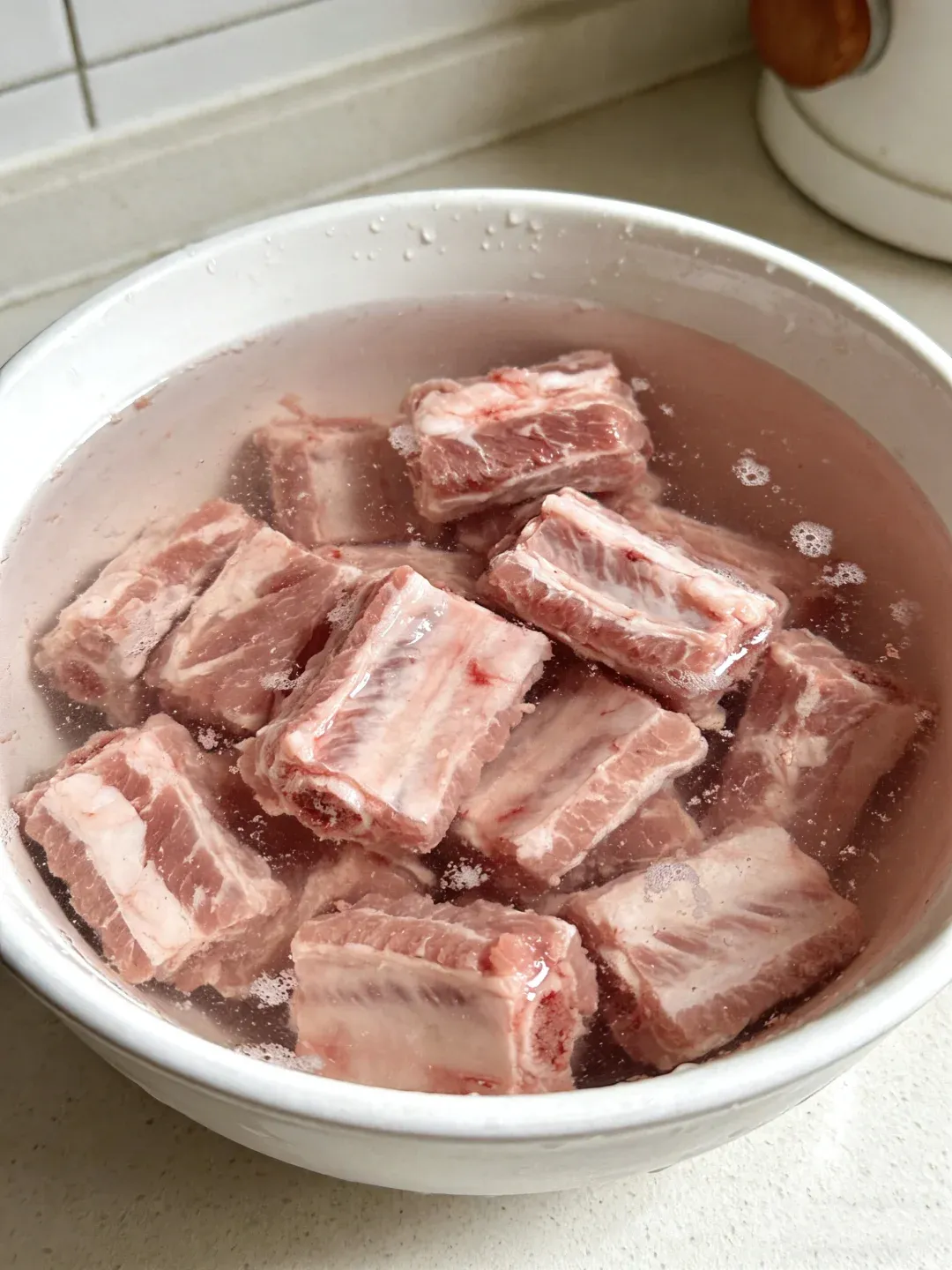
- Prep the Ribs (The Secret Step):Wash the rib pieces under cold water. To get that “restaurant-quality” clean taste, rub them with a little cornstarch and rinse again. Important: Pat the ribs completely dry with paper towels. Dry meat absorbs the marinade much better!rep the Ribs (The Secret Step)
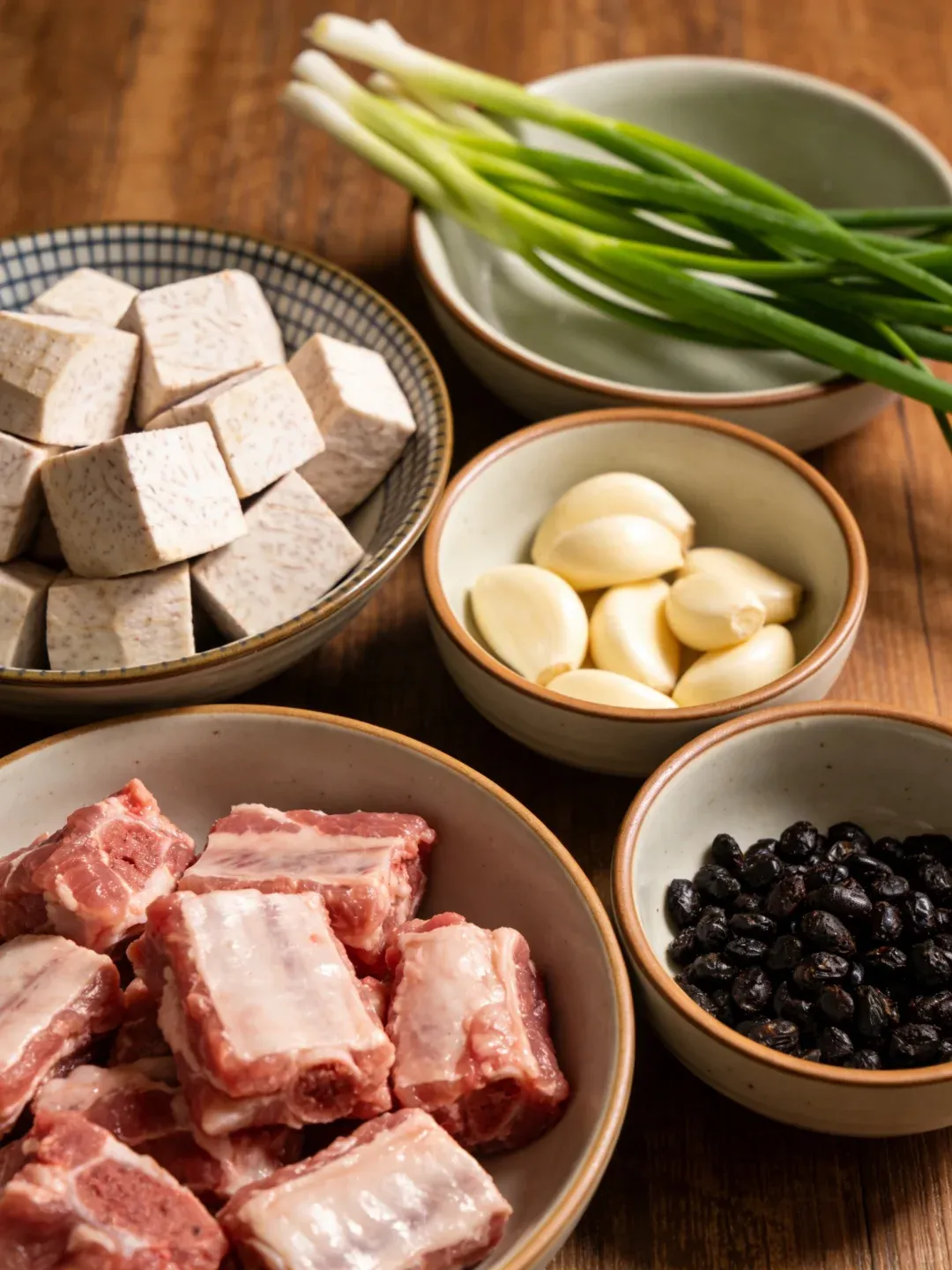
- Make the Garlic-Bean Infusion:Finely chop the garlic and black beans. Place them in a small heat-proof bowl. Heat your oil in a small pan until it’s shimmering, then pour it over the garlic and beans. You’ll smell the aroma instantly! Let it cool for a minute.
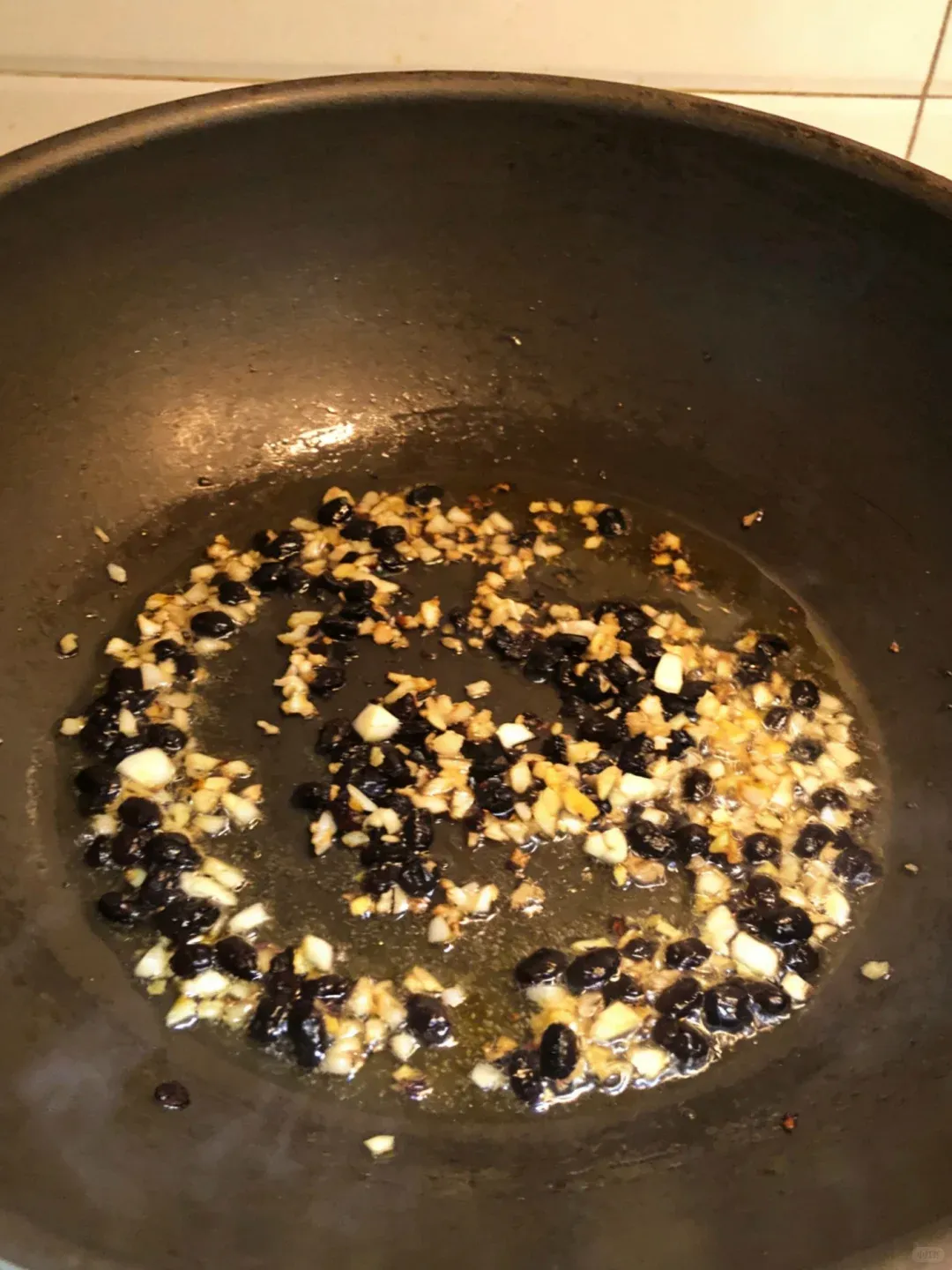
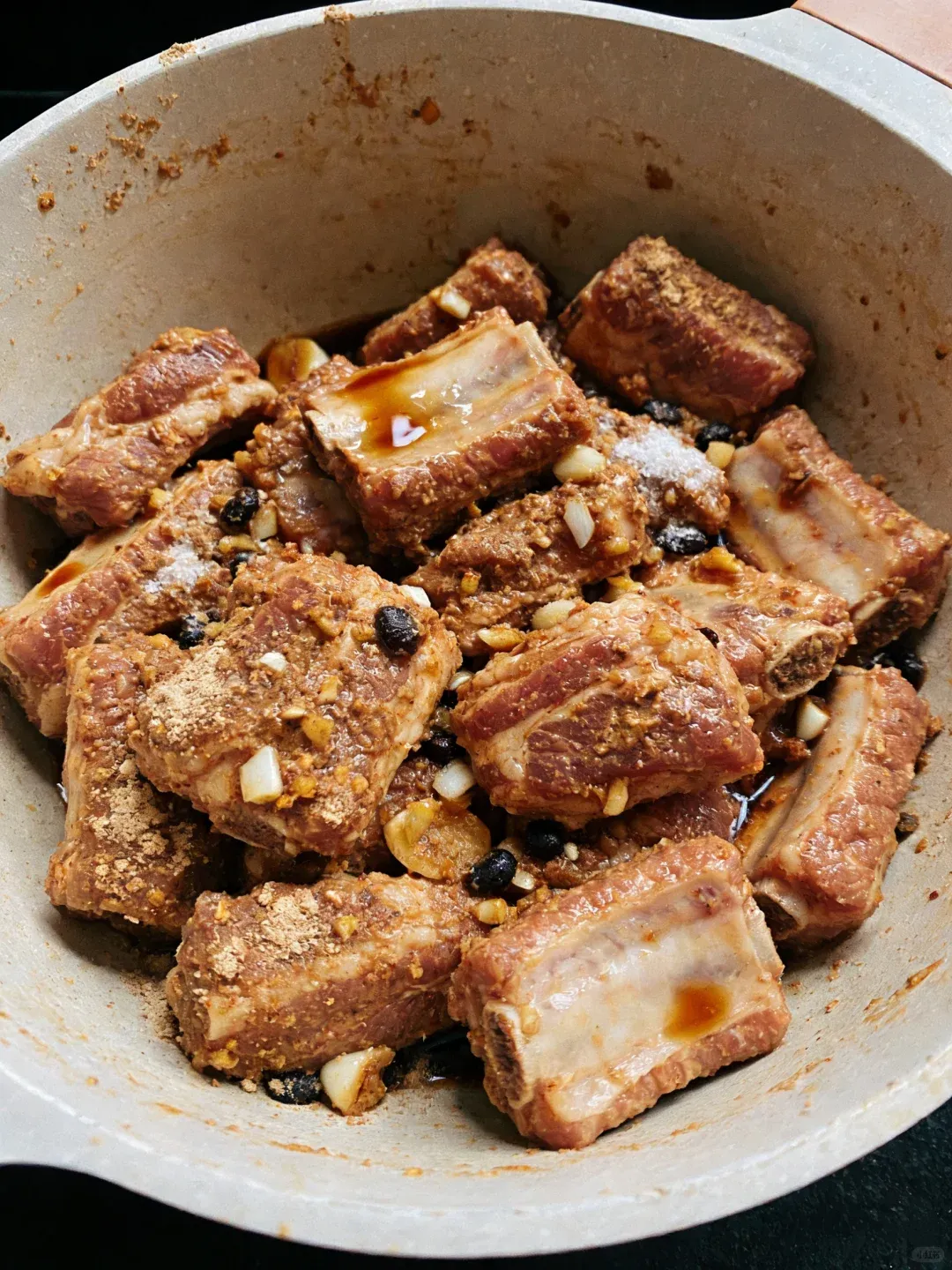
- Marinate:In a large bowl, toss the ribs with the soy sauce, oyster sauce, wine, salt, sugar, your garlic-bean oil, and the cornstarch. Use your hands to massage the sauce into the ribs. Let them rest for 15 minutes at room temperature.
- Layer and Steam:Slice your potato or pumpkin into thin circles and layer them on a heat-proof plate. Spread the marinated ribs evenly on top.
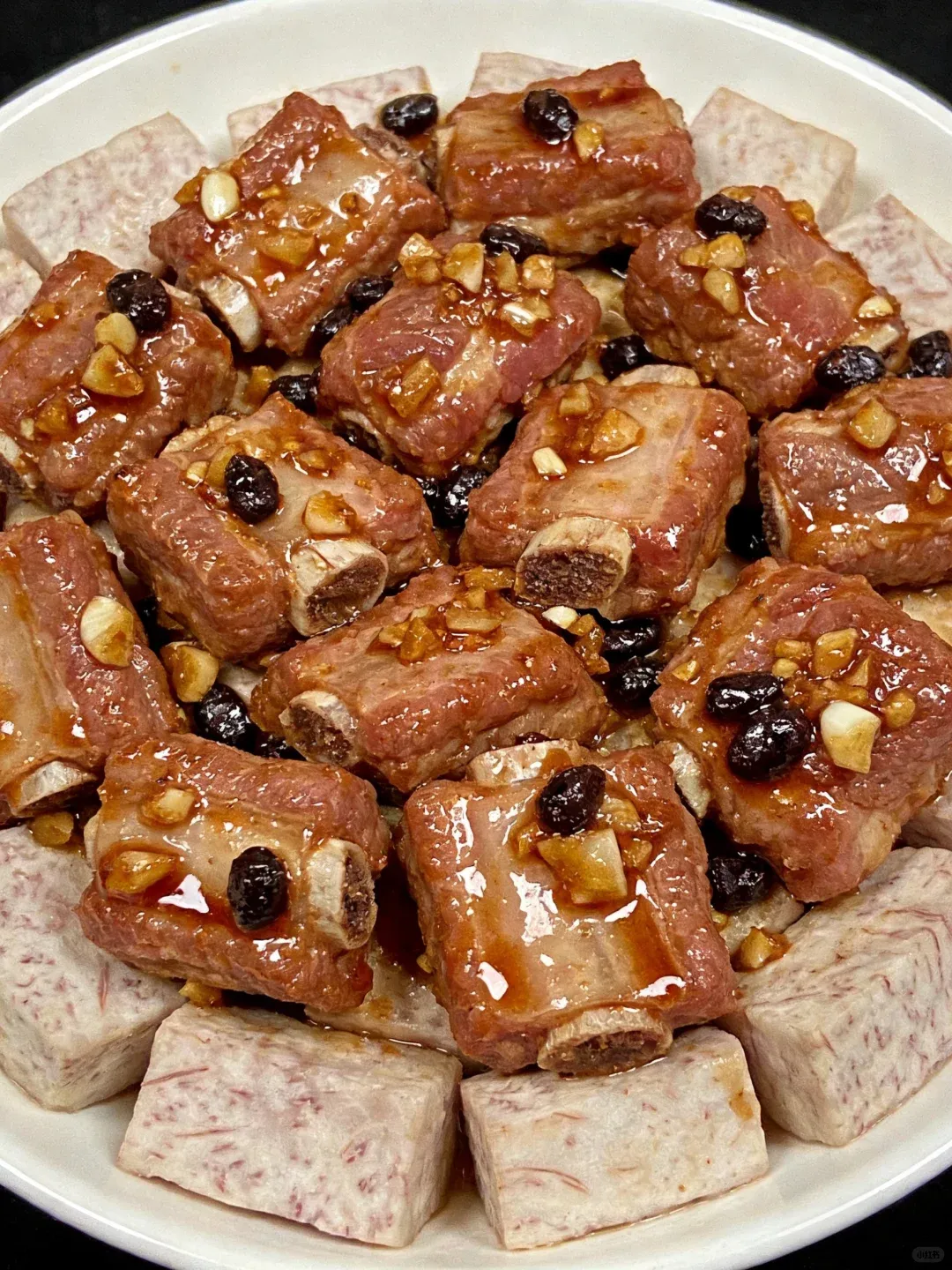
- The Magic of Steaming:Bring water to a boil in a large pot with a steamer basket inside. Place the plate in, cover with a lid, and steam on high heat for 15–20 minutes.
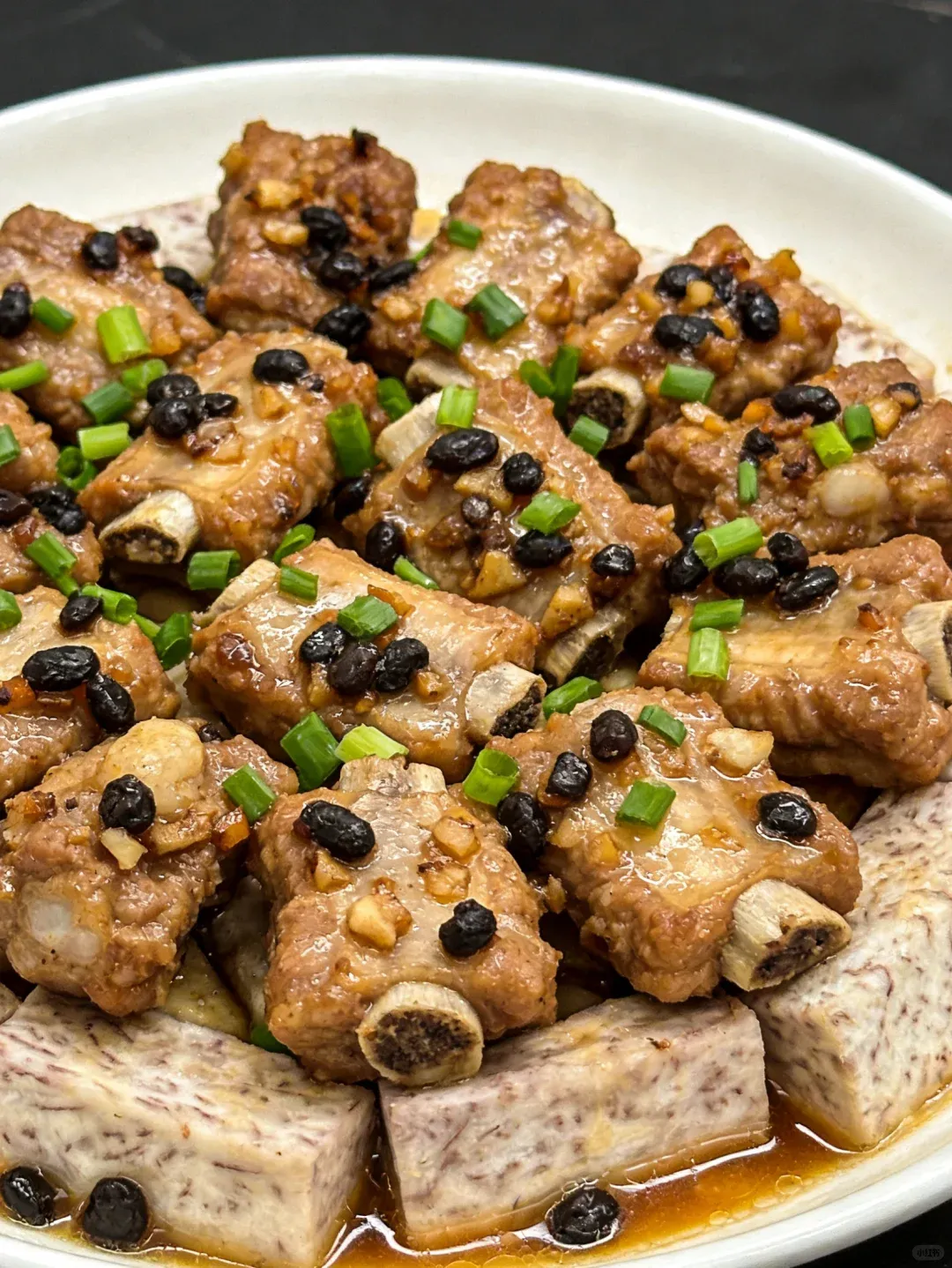
- Garnish and Serve:Carefully remove the plate (it’s hot!). Top with fresh green onions and chili. Serve it immediately with a bowl of fluffy white rice.
Notes
- The Cut: Small ribs cook faster and stay more tender. If your ribs are too large, just add 5 extra minutes to the steaming time.
No Steamer? Use a large pot with an inch of water at the bottom. Rest your plate on an upturned heat-proof bowl or a crumpled piece of aluminum foil to keep it above the water.
Healthy Swap: This dish is naturally lower in fat because it’s steamed, not fried. You can skip the salt if you prefer a low-sodium meal, as the soy sauce and black beans are already savory.
Frequently Asked Questions (FAQ)
Q1: Why do I need to rub the ribs with cornstarch before washing?
A: This is a professional Cantonese technique. Cornstarch acts like a magnet, pulling out blood, impurities, and excess fat from the meat. It works much better than just rinsing with water, resulting in ribs that are perfectly clean, odor-free, and extra tender.
Q2: What if I don’t have Chinese Cooking Wine?
A: No problem! You can use an equal amount of Dry White Wine (like Sauvignon Blanc) to achieve the same aroma-removing effect. If you prefer to cook without alcohol, a mix of water and a squeeze of fresh lemon juice works too.
Q3: Can I marinate the ribs overnight?
A: Absolutely. In fact, marinating them in a sealed container in the fridge overnight makes them even more flavorful. It’s the perfect “meal prep” trick for a busy weeknight—just pop them in the steamer when you get home!
Q4: I don’t have a traditional steamer. Can I still make this?
A: Yes! You have two easy options:
- The Pot Method: Use any large pot with a lid. Place a small heat-proof rack or an upturned bowl inside, add an inch of water, and rest your plate on top.
- The Oven Method: Bake in a water bath at a low temperature, covered tightly with foil to lock in the moisture.
Q5: How do I prevent the dish from becoming too watery?
A: The secret is to pat the ribs completely dry with paper towels after washing and before marinating. Also, don’t skip the cornstarch in the marinade—it acts as a sealer to lock the juices inside the meat rather than letting them leak out into the plate.